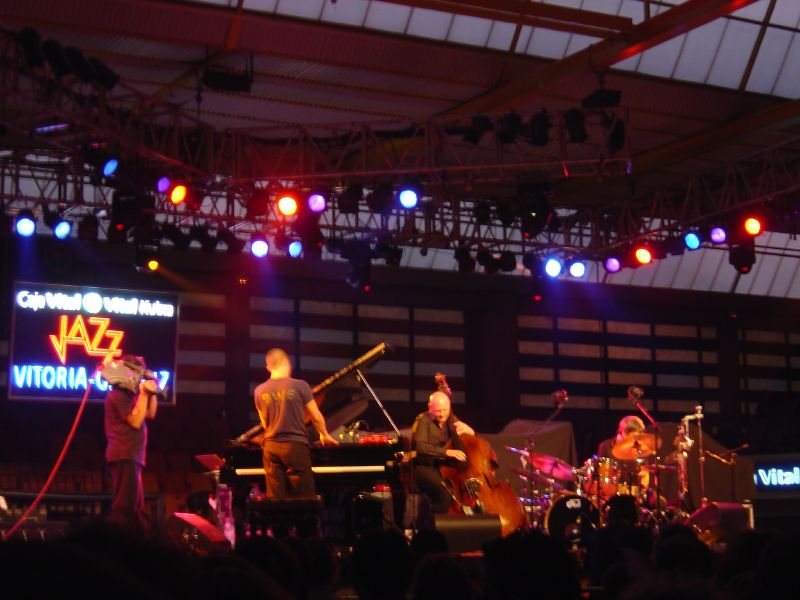
For years, the jazz piano trio seemed almost untouchable.
A piano.
A double bass.
A drum kit.
Three instruments. Three roles. A delicate balance... almost a perfect triangle drawn by tradition.
A wind from the North
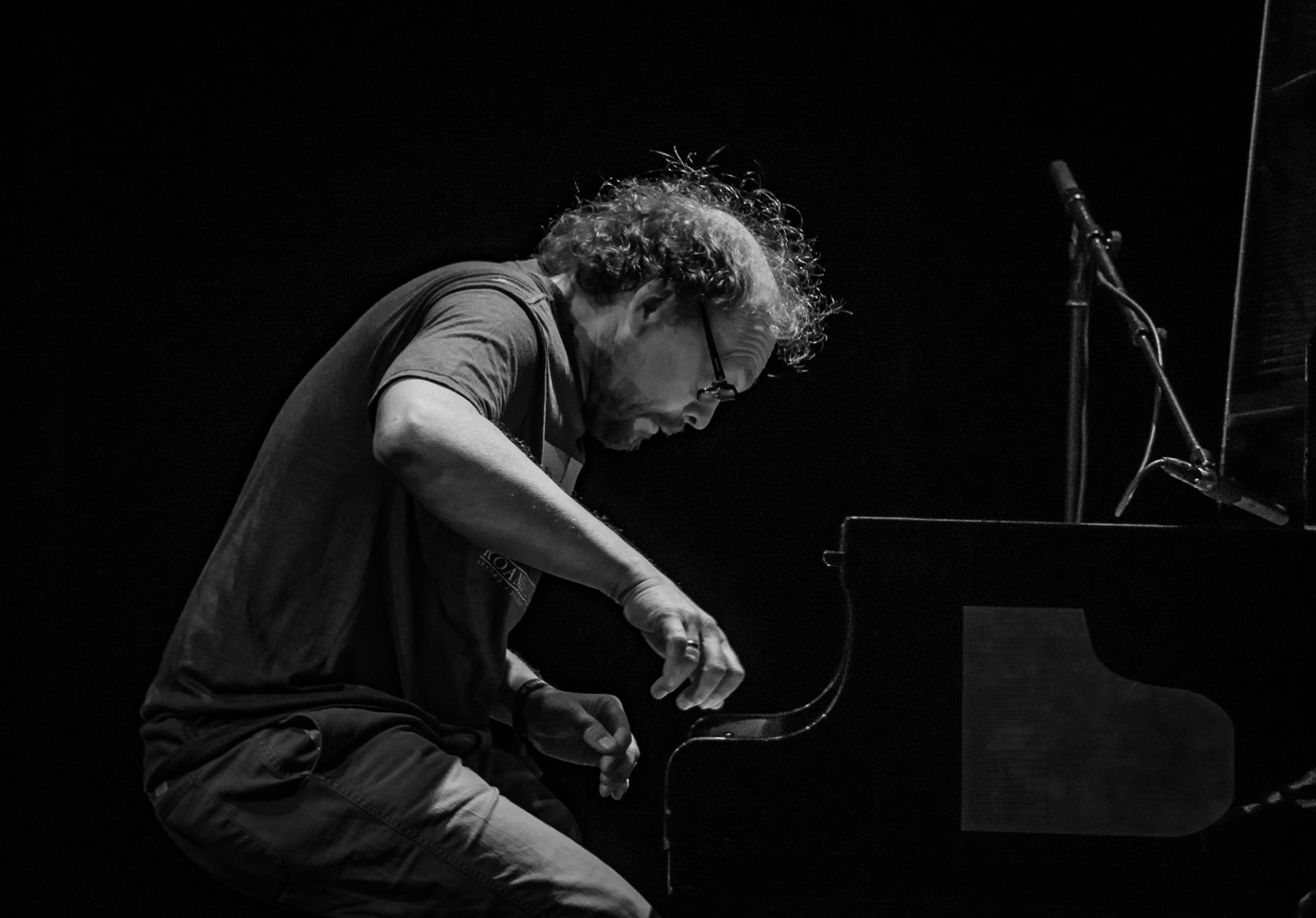
Then, from Northern Europe, a different wind began to blow.
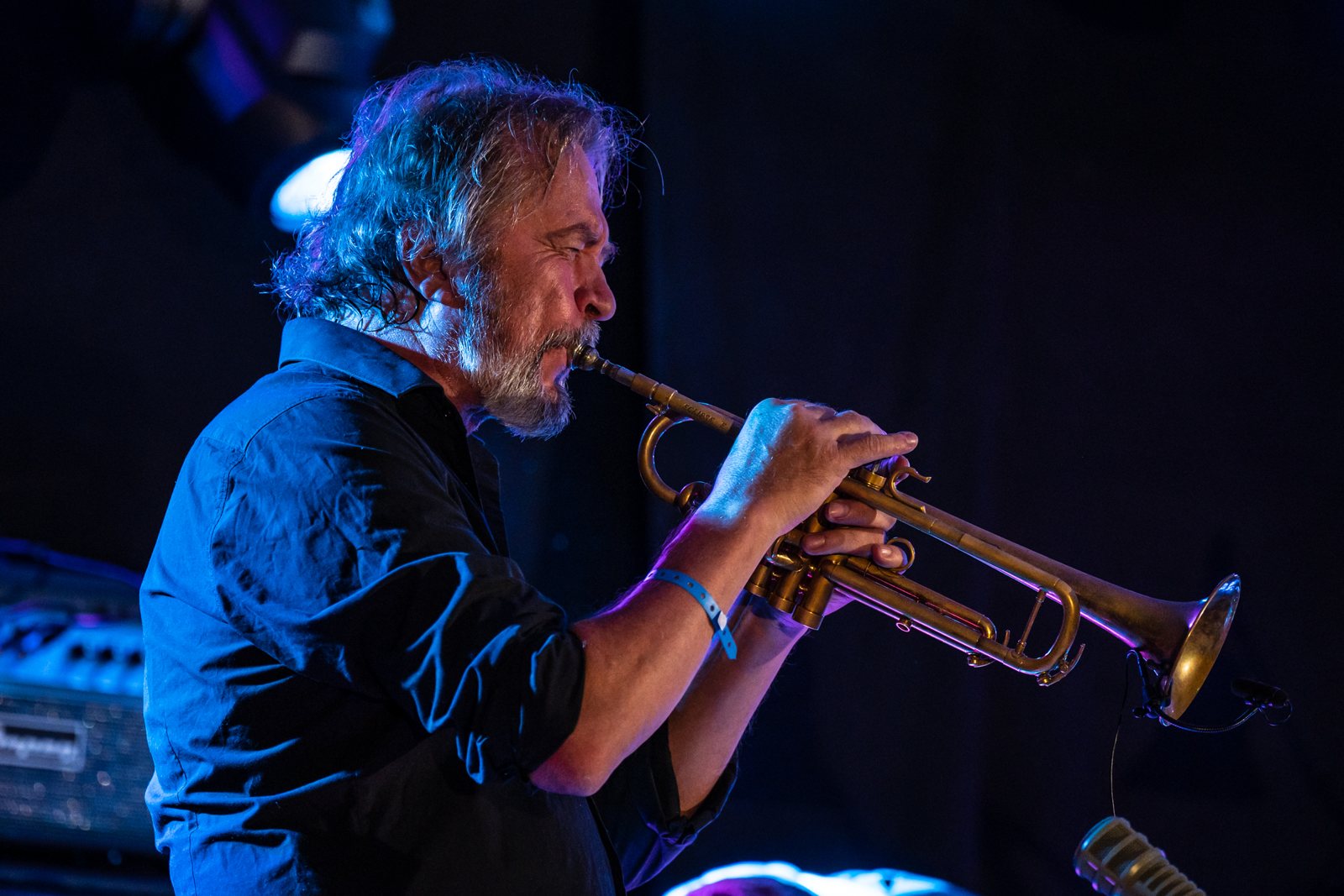
Musicians like Bugge Wesseltoft and Nils Petter Molvær began exploring territories where jazz, ambient and electronic music slowly blurred into one another.
With New Conception of Jazz, acoustic instruments and electronics were already beginning to inhabit the same sonic landscape.
Then came e.s.t.
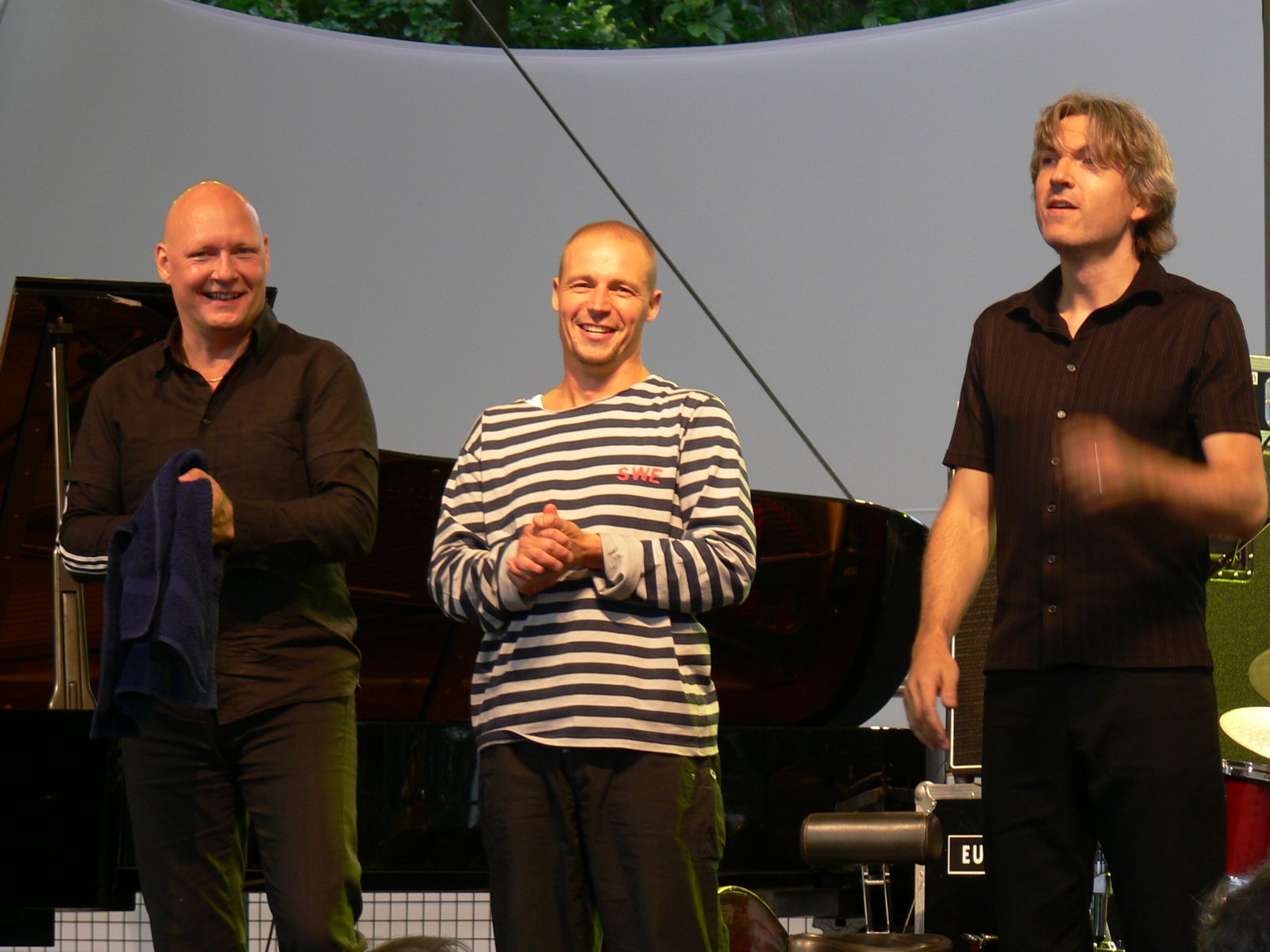
Then came e.s.t.
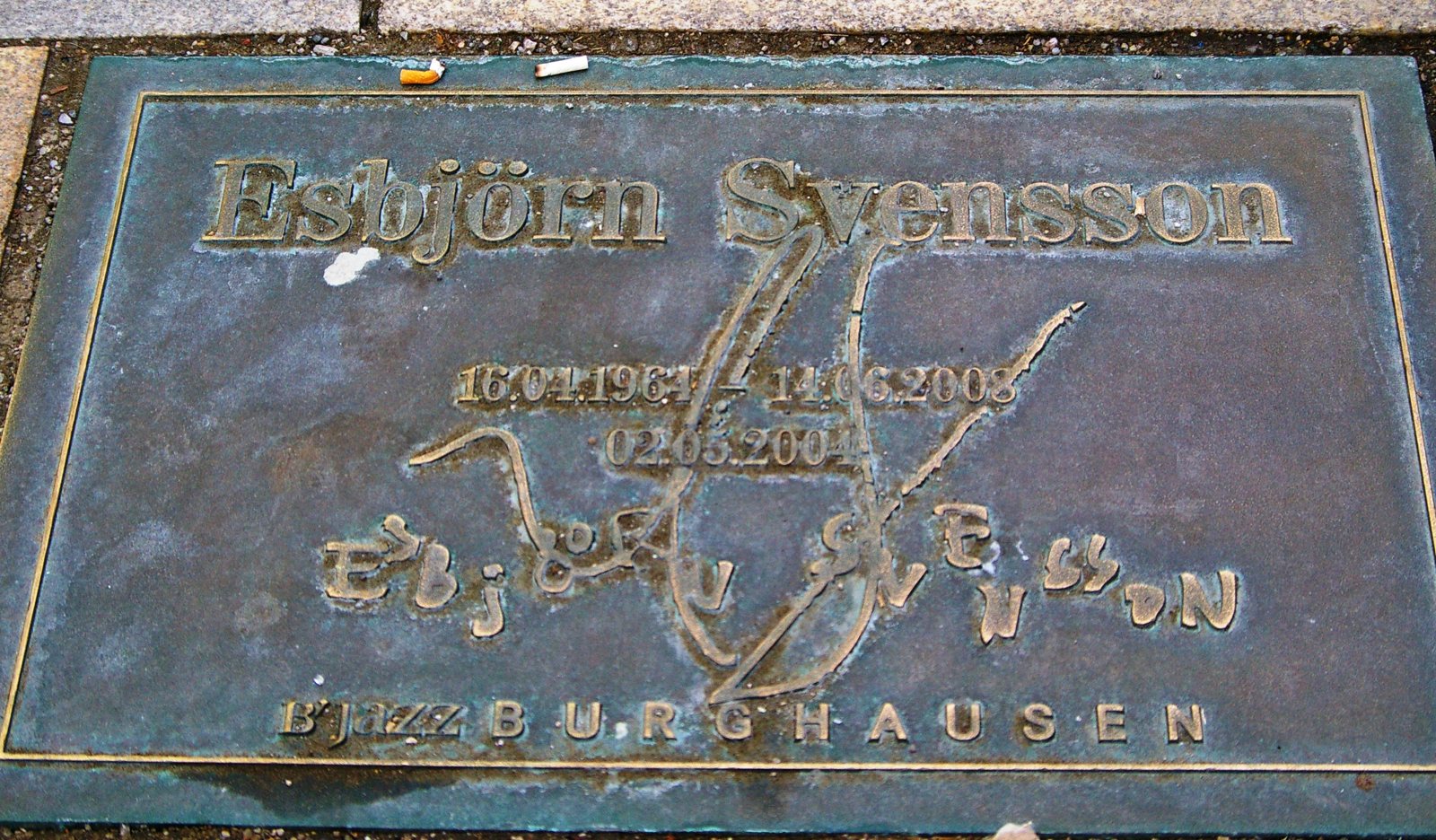
Esbjörn Svensson.
Dan Berglund.
Magnus Öström.
On paper, it was still a piano trio.
But paper doesn't make a sound.
Paper makes no sound
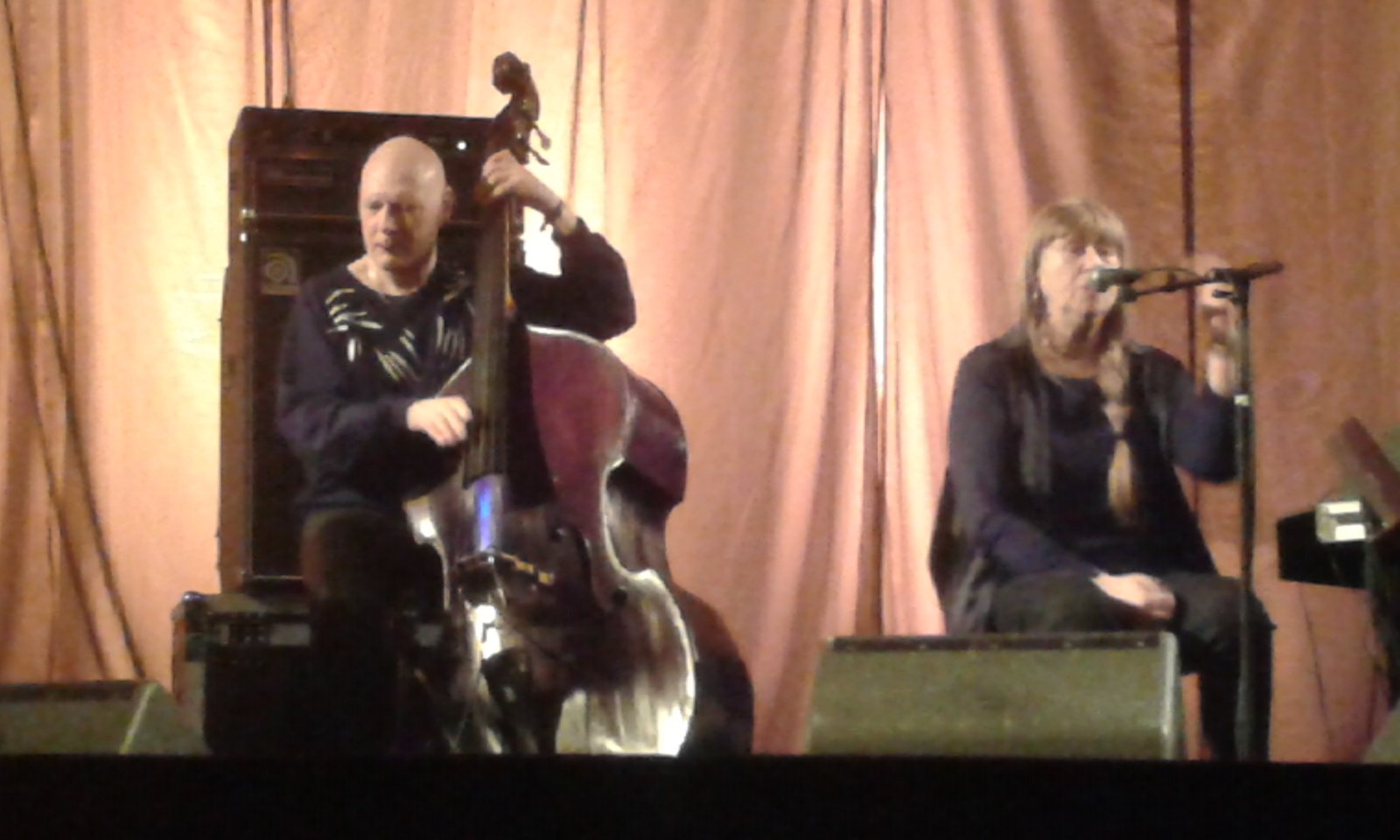
Dan Berglund's double bass runs through fuzz and wah-wah. It gets dirty... it growls... it roars... until it almost sounds like an electric guitar.
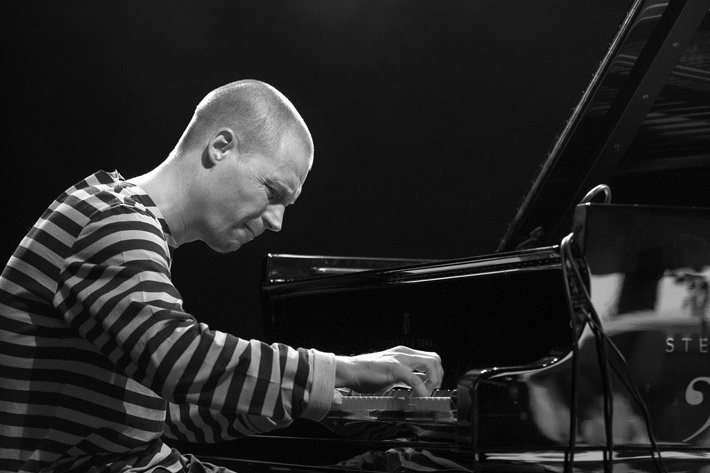
The piano collides with electronics and processed sounds.
The drums pulse, push, and propel the music into territory that smells of rock.
A note becomes a seed
And this is where the transformation begins.
Because the real revolution of e.s.t. wasn't the effects.
It was what they did to the instruments.
A single note becomes a seed.
The bass builds an ostinato.
The drums chase it.
The piano insists.
Repeating.
Resisting.
Restarting.
The sound grows like a wave gathering water before it finally breaks.
Round after round.
Layer after layer.
One organism
Until you no longer hear three musicians.
You hear a machine.
An engine.
A single organism... breathing.
And suddenly, the walls between genres begin to crumble.
Jazz.
Rock.
Electronic music.
Three names trying to describe something that is already slipping between definitions.
Beyond the jazz crowd
And the audience changes too.
e.s.t. begin reaching beyond the traditional jazz crowd, speaking to listeners who might otherwise have lived in completely different musical worlds.
The echo remains
Then their story stops.
But the echo remains.
It travels.
Different cities.
Different musicians.
Different generations.
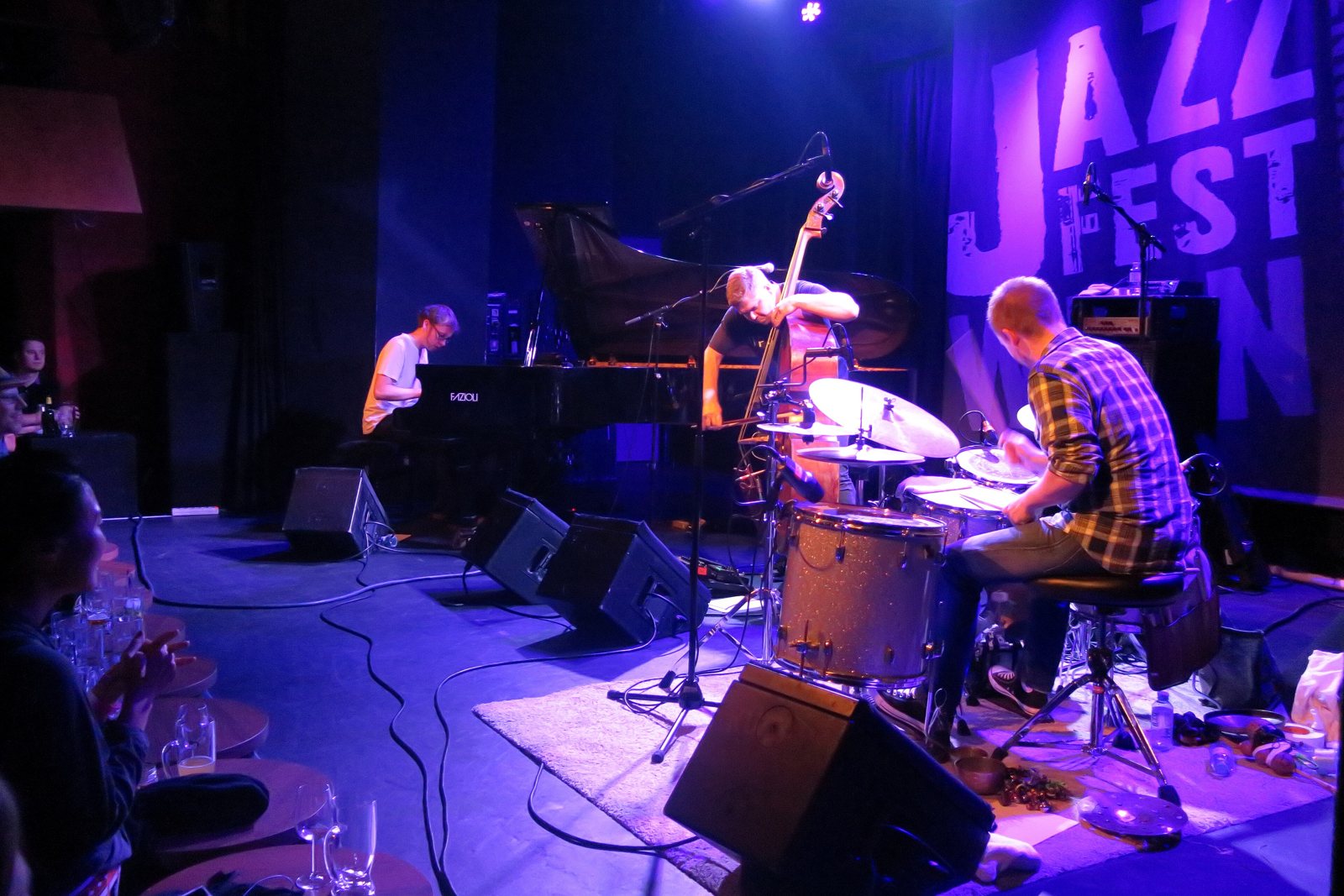
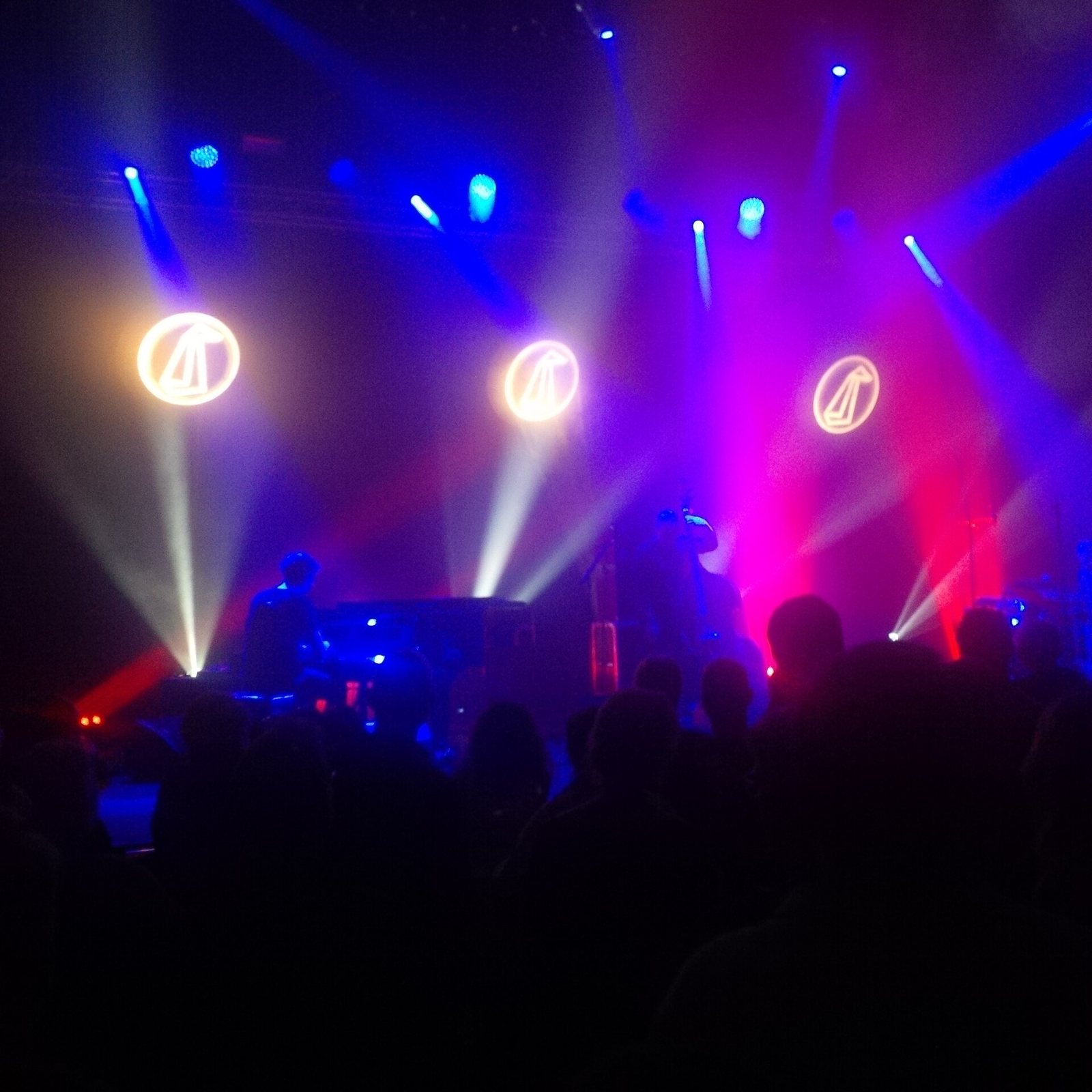
And years later, it resurfaces in bands like GoGo Penguin, where jazz, classical music and electronics meet again, and the line between acoustic and electronic becomes thinner and thinner.
Possibilities
They are not e.s.t.
And that's exactly the point.
A true revolution doesn't simply create imitators.
It creates possibilities.
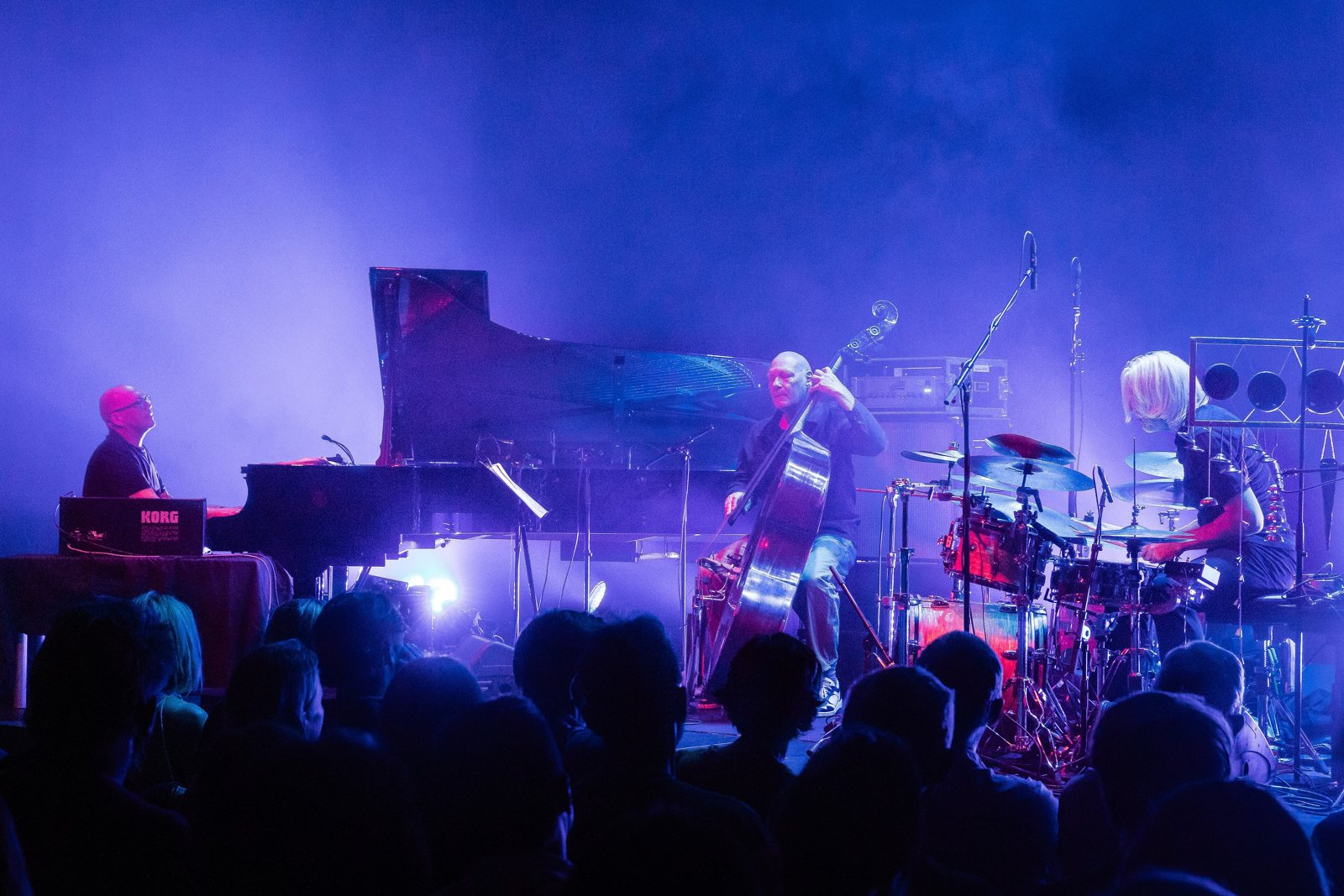
After e.s.t., a piano trio could carry the force of a rock band, the hypnosis of electronic music, the physical pulse of the groove, while keeping, at its heart, the unpredictable breath of jazz.
Too big for the room
Three musicians.
Three instruments.
But a sound that somehow feels too big for the room.
Perhaps that is the deepest legacy of e.s.t.
They took the old triangle of the piano trio, opened its sides, and let the whole world in.
They took the old triangle of the piano trio, opened its sides, and let the whole world in.


